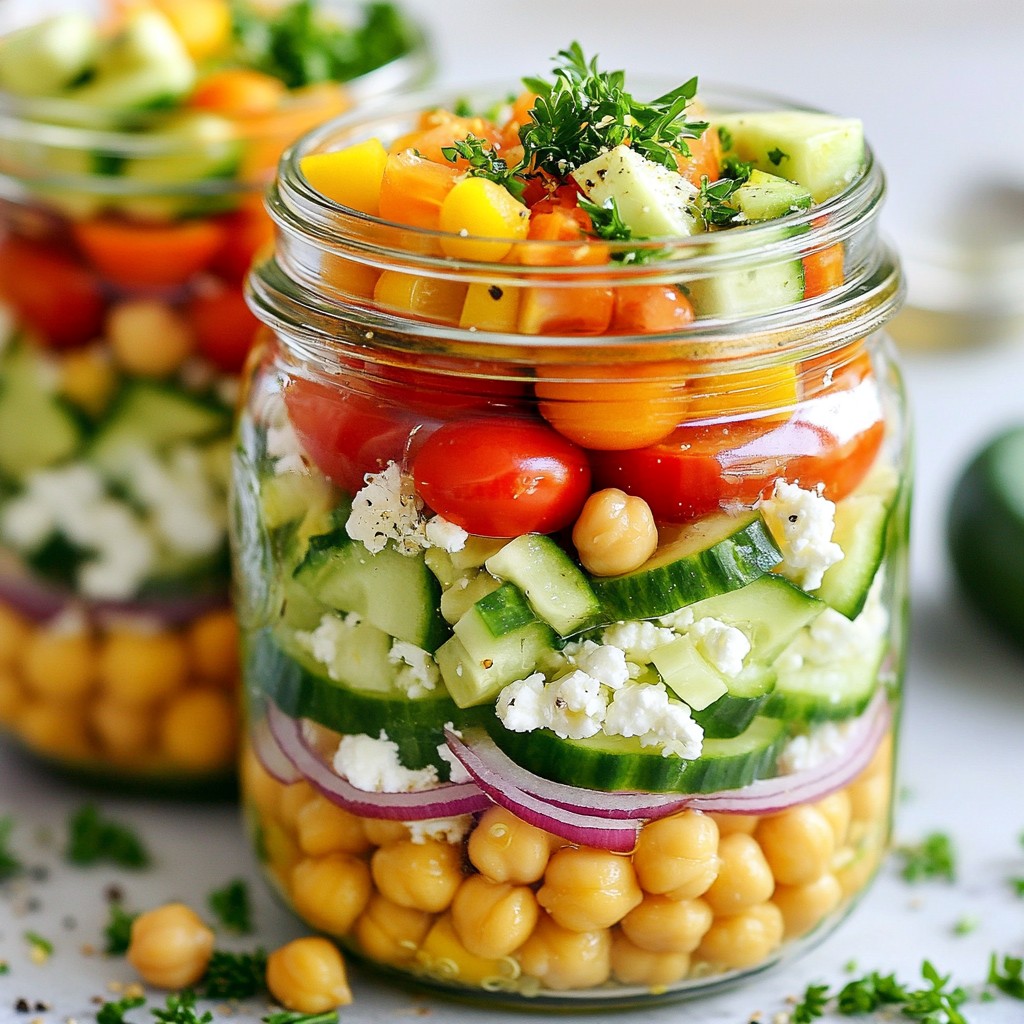
Looking for quick and healthy meals? A High-Protein Salad Jar is your solution! You can mix fresh veggies, protein, and tasty dressings to create an easy, nutritious dish. In this post, I’ll share the best ingredients, easy steps, and clever tips for perfect salad jars. Get ready to enjoy meals that keep you full and happy! Let’s dive into the world of colorful, easy-to-make salad jars right now!
Why I Love This Recipe
- Healthy and Nutritious: This salad is packed with protein and healthy fats, making it a perfect meal for both energy and recovery.
- Easy to Prepare: With just a few simple steps, you can create a delicious salad that’s ready to enjoy in minutes.
- Meal Prep Friendly: These salad jars can be made ahead of time and stored in the refrigerator for several days, making them ideal for busy schedules.
- Customizable: Feel free to swap out ingredients based on your preference or seasonal availability to keep things exciting.
Ingredients
High-Protein Ingredients Overview
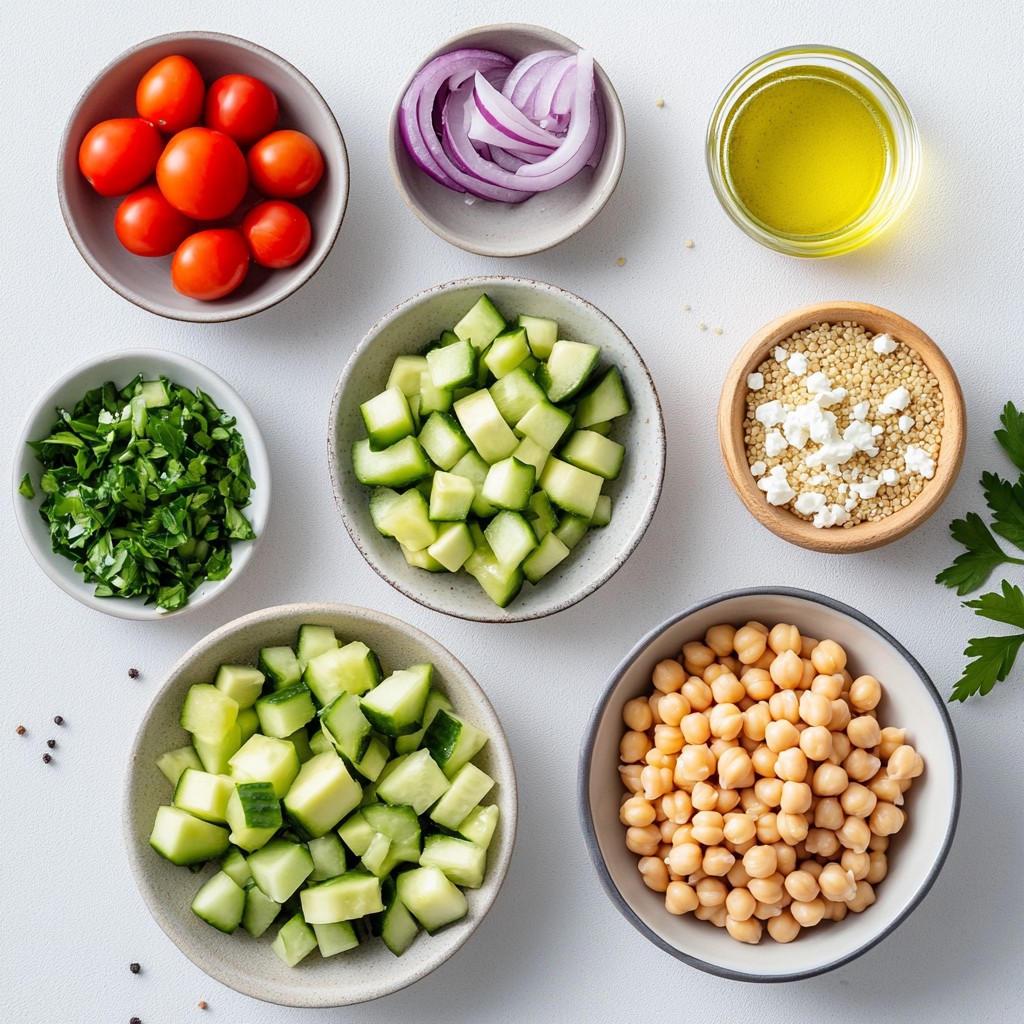
In a High-Protein Salad Jar, each ingredient plays a key role. Here’s what you need:
- 1 cup cooked quinoa
- 1 can (15 oz) chickpeas, rinsed and drained
- 1 cup cherry tomatoes, halved
- 1 cucumber, diced
- 1 avocado, diced
- 1/2 cup feta cheese, crumbled (or a dairy-free alternative)
- 1/4 cup red onion, finely chopped
- 1/4 cup fresh parsley, chopped
- 3 tablespoons olive oil
- 2 tablespoons lemon juice
- Salt and pepper to taste
These ingredients come together to create a nutritious and filling meal.
Nutritional Benefits of Each Ingredient
Each of these ingredients adds unique benefits:
1. Quinoa: This grain is a complete protein. It has all nine essential amino acids. One cup gives you a good dose of fiber too.
2. Chickpeas: These legumes are packed with protein and fiber. They help keep you full longer. A can typically has around 15 grams of protein.
3. Cherry Tomatoes: Rich in vitamins C and K, they offer antioxidants. They also add a burst of flavor and color.
4. Cucumber: This veggie keeps the salad crisp. It adds hydration with its high water content.
5. Avocado: Loaded with healthy fats, fiber, and potassium, avocados are great for heart health. They also make the salad creamy.
6. Feta Cheese: This cheese adds protein and a tangy flavor. You can choose a dairy-free option for a lighter version.
7. Red Onion: This adds a sharp taste and crunch. Onions are also full of vitamins and minerals.
8. Parsley: This herb is often overlooked, but it packs a punch in flavor and nutrients. It is high in vitamins A, C, and K.
9. Olive Oil: This healthy fat is great for your heart. It can also help absorb nutrients from veggies.
10. Lemon Juice: This brightens the salad and adds vitamin C. It helps balance the flavors.
Alternatives for Common Ingredients
If you're missing some items, here are alternatives:
- Quinoa: Try brown rice or farro for a different grain.
- Chickpeas: White beans or lentils can substitute well.
- Feta Cheese: Use goat cheese or nutritional yeast for a vegan option.
- Red Onion: Green onions or shallots work well too.
These swaps maintain the protein focus while keeping your salad tasty.
Step-by-Step Instructions
Preparing the Dressing
To make the dressing, grab a small bowl. Add 3 tablespoons of olive oil. Then, add 2 tablespoons of lemon juice. Sprinkle in some salt and pepper. Whisk them together until smooth. This dressing adds flavor and helps keep the salad fresh.
Layering the Ingredients Properly
Start with a clean jar. Pour the dressing at the bottom. Next, add 1 cup of cooked quinoa. Then, layer in 1 can of rinsed chickpeas. Add 1 cup of halved cherry tomatoes. Follow with 1 diced cucumber and 1/4 cup of finely chopped red onion. Sprinkle 1/2 cup of crumbled feta cheese on top. Finally, add 1 diced avocado and finish with 1/4 cup of chopped fresh parsley. Layering this way keeps the ingredients fresh and tasty.
Tips for Shaking and Serving
Seal the jar tightly. When you're ready to eat, shake it gently. This mixes the dressing with the salad. Pour it into a bowl or eat it straight from the jar. If you meal prep, these jars last in the fridge for 4-5 days. Enjoy your healthy, high-protein meal!
Tips & Tricks
How to Keep Ingredients Fresh
To keep your salad fresh, layer your ingredients right. Start with the dressing at the bottom. This helps keep the greens dry until you are ready to eat. Next, add hearty items like quinoa and chickpeas. Place delicate veggies like tomatoes and cucumbers on top. Finally, add avocado and herbs last. This keeps them from getting mushy. Store the jars in the fridge. They stay fresh for about 4 to 5 days.
Best Jars for Salad Storage
Choose jars that are airtight. Glass jars with a wide mouth work well. You can see the layers, which looks nice! They are easy to clean too. If you want single servings, use smaller jars. Mason jars are a great option. They are sturdy and come in different sizes. Just make sure they seal tightly to lock in freshness.
Time-Saving Meal Prep Tips
Prepare your ingredients in bulk. Cook a big batch of quinoa at once. You can use it throughout the week. Rinse and drain your chickpeas in advance too. Cut your veggies and store them in airtight bags. This saves time when you are ready to make your salad jar. You can mix and match ingredients for variety. This way, you can enjoy a new salad every day!
Pro Tips
- Storing Avocado: To prevent the avocado from browning, store it separately until you're ready to eat the salad, or sprinkle it with lemon juice before layering.
- Layering Technique: Always place the dressing at the bottom of the jar to keep the greens and other ingredients from getting soggy.
- Quinoa Cooking Tips: For added flavor, cook quinoa in vegetable or chicken broth instead of water.
- Meal Prep Best Practices: Use mason jars with wide mouths for easy access to the salad and to make it easier to eat on the go.
Variations
Vegan and Plant-Based Options
You can easily make this salad jar vegan. Replace feta cheese with a dairy-free cheese. You can use tofu or tempeh instead of feta for added protein. Another great option is to add nutritional yeast for a cheesy flavor. You can also swap quinoa with brown rice or farro if you prefer. These changes keep the meal tasty and filling.
Ingredient Swaps for Allergies
If you have allergies, there are safe swaps. For chickpeas, try black beans or lentils. If you cannot eat avocados, use sunflower seeds or pumpkin seeds for healthy fats. You can skip red onion or use green onions if you prefer a milder flavor. Always check labels on packaged items for allergens.
Dressing Variations for Flavor Boosts
The dressing is key to making your salad shine. To change it up, try adding garlic or herbs like basil and oregano. You can swap olive oil for avocado oil for a different taste. If you like spicy food, add a dash of hot sauce or a pinch of cayenne pepper. Experiment with different flavors to find your favorite mix.
Storage Info
How Long the Salad Jars Last
You can store these high-protein salad jars in the fridge for up to 4-5 days. This makes them perfect for meal prepping. If you notice any change in smell or color, discard it. Freshness is key to enjoying your meal.
Best Refrigeration Practices
Keep the salad jars in the main part of the fridge, not the door. The door can be warmer and may spoil your salad. Ensure the jars are sealed tightly. This helps keep the ingredients fresh and prevents spills.
Reheating and Serving Suggestions
This salad is best served cold, so reheating is not needed. Just shake the jar gently to mix the dressing and salad. If you want, you can serve it in a bowl. Add extra toppings like seeds or nuts for crunch.
FAQs
Can I make the salad jar ahead of time?
Yes, you can make the salad jar ahead of time. In fact, I recommend it! You can prepare your jars and store them in the fridge. They will stay fresh for up to 4-5 days. When you're ready to eat, just shake the jar to mix the ingredients. It saves time and helps you eat healthy during busy days.
What can I substitute for quinoa?
If you want a substitute for quinoa, try brown rice or farro. Both options have a nice texture and add fiber. You can also use lentils for an extra protein boost. Just make sure to cook them before adding them to your jar. Each choice will give you a different flavor, so pick what you like best.
Are there low-carb options for this recipe?
Yes, you can make this salad lower in carbs. Skip the quinoa or use cauliflower rice instead. You can also add more veggies like leafy greens or bell peppers. They add crunch and flavor without many carbs. Focus on high-protein ingredients like chickpeas and feta cheese.
How can I increase the protein content further?
To boost the protein in your salad, add more chickpeas or sprinkle in some nuts. Almonds or walnuts work well. You can also toss in grilled chicken or tofu for extra protein. Another option is to use a protein-packed dressing, like one made with Greek yogurt. This way, you can enjoy a filling meal that keeps you energized.
This blog post covered easy, high-protein salad jars. We explored key ingredients and their benefits. I shared tips for preparation and storage. You learned about variations for different diets and preferences. This method saves time and keeps meals fresh. Try out new ingredients and make your own variations. Salad jars are tasty, healthy, and fun to prepare. Enjoy making them and feel great about your meals!