
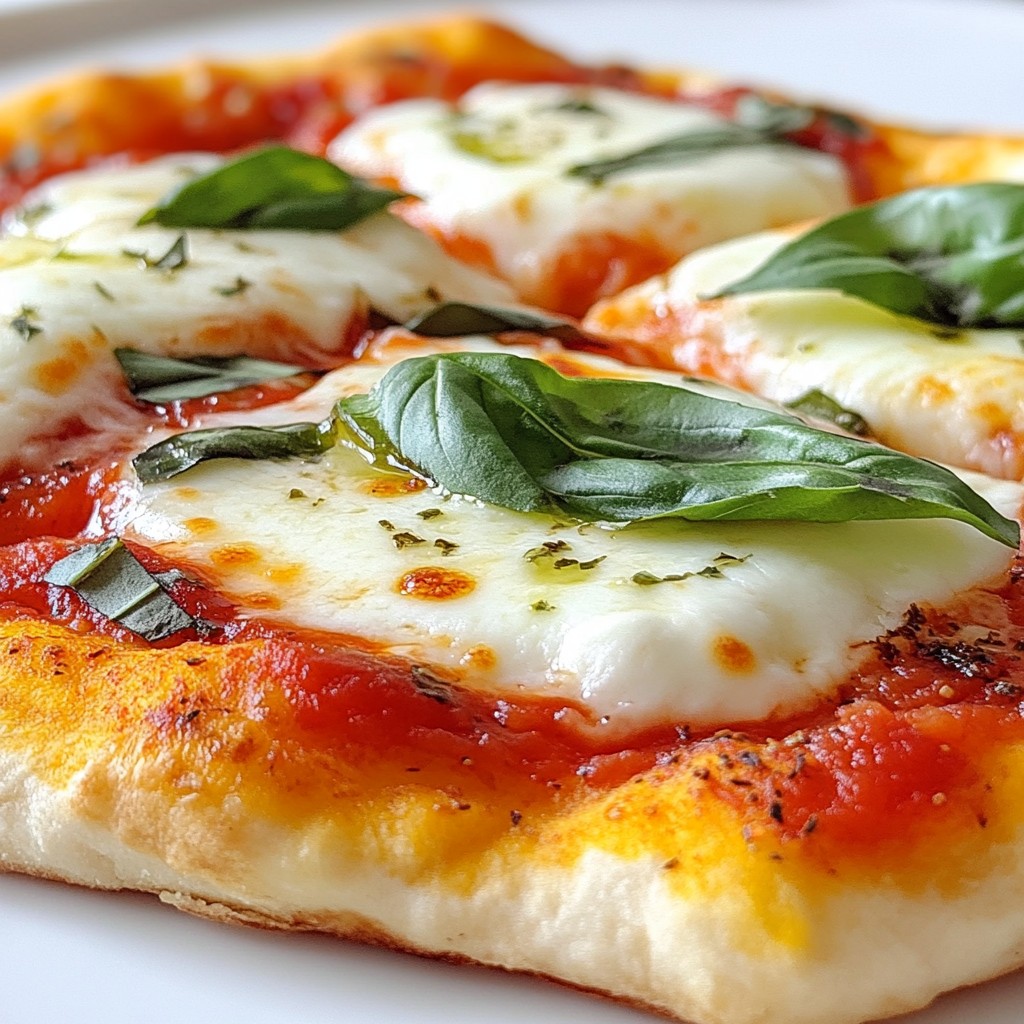
Are you ready to elevate your pizza game at home? In this post, I’ll share my easy, classic Margherita pizza dough recipe. You don’t need fancy tools or skills. Just simple ingredients and step-by-step guidance. Whether you’re a novice or experienced cook, I’ll help you create dough that’s perfect for any pizza night. Let’s dive into the world of homemade pizza!
Why I Love This Recipe
- Simple Ingredients: This recipe uses basic pantry staples that are easy to find and affordable.
- Authentic Flavor: The combination of fresh ingredients creates a traditional Margherita pizza taste that is hard to beat.
- Versatile Dough: This dough can be used for various types of pizzas, allowing you to get creative with toppings.
- Fun Activity: Making pizza from scratch is a fun and rewarding experience for the whole family.
Ingredients
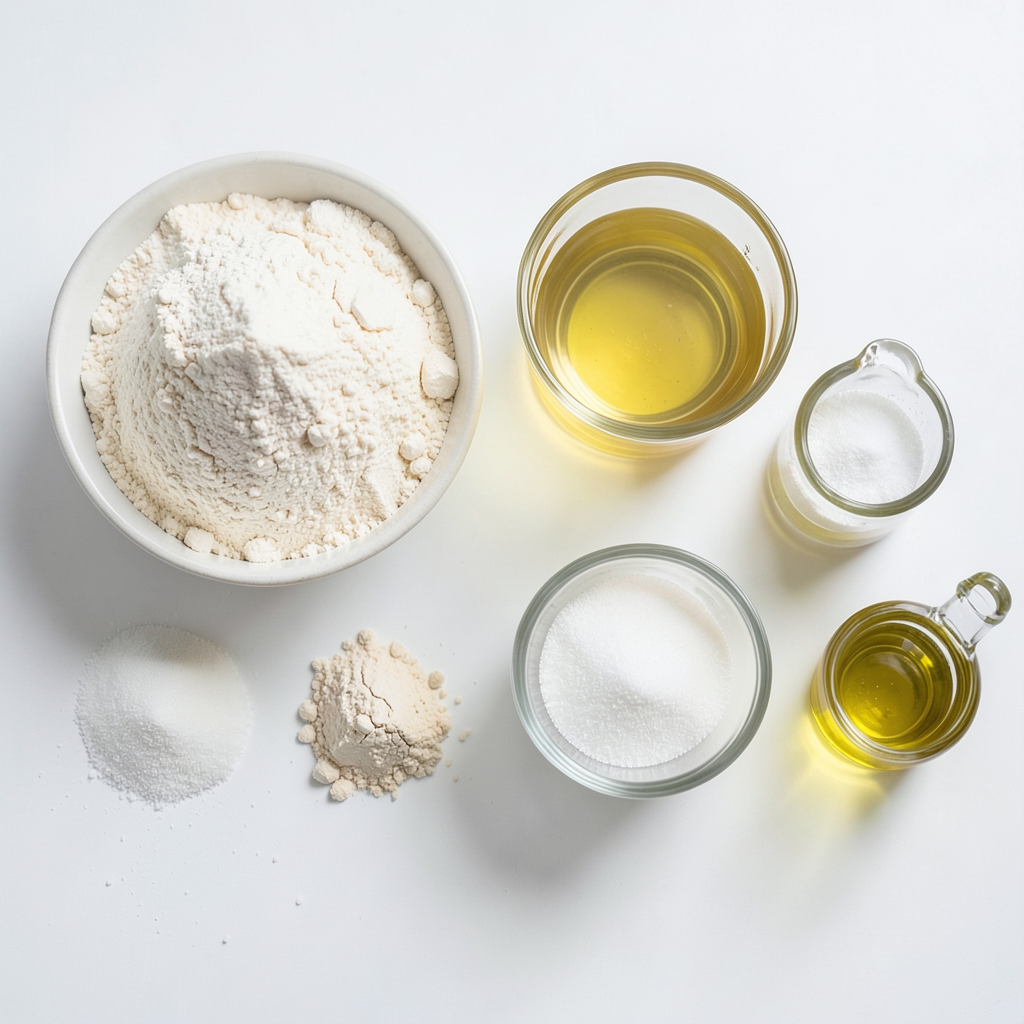
All-Purpose Flour
All-purpose flour is the main ingredient for this dough. It gives the crust its structure. I use 4 cups for a good balance. This flour helps create a chewy and crispy texture. You can find it in any grocery store.
Active Dry Yeast
Active dry yeast makes the dough rise. I use 2 ¼ teaspoons, which is one packet. First, we dissolve sugar in warm water to activate the yeast. After 5-10 minutes, it should be frothy. This shows the yeast is alive and ready to work.
Warm Water and Its Role
Warm water is crucial for this recipe. I recommend about 1 ½ cups at 110°F (43°C). This temperature helps the yeast grow. If the water is too hot, it can kill the yeast. If it’s too cold, the dough won’t rise well. The warm water helps blend all the ingredients smoothly.
Step-by-Step Instructions
Preparing the Yeast Mixture
Start by gathering a small bowl. Add warm water, about 110°F or 43°C. Pour in the sugar and mix it well. Sprinkle the active dry yeast on top. Let it sit for 5-10 minutes. You will see bubbles forming. This shows the yeast is alive and active. This step is key for a good rise.
Mixing and Kneading the Dough
Next, grab a large bowl. Add 4 cups of all-purpose flour and 2 teaspoons of salt. Stir them together well. Make a well in the center of the flour mix. Pour in the yeast mixture along with 2 tablespoons of olive oil. Use a wooden spoon or your hand to mix until it forms a dough.
Now, place the dough on a floured surface. Knead it for 8-10 minutes. Kneading helps develop gluten, which makes the dough elastic. You want a smooth texture, so keep kneading until it feels right.
Rising and Shaping the Dough
Once kneaded, place the dough in a lightly greased bowl. Cover it with a damp cloth or plastic wrap. Let it rise in a warm place for 1-2 hours. The dough should double in size. After it rises, punch it down to release air.
Next, divide the dough into 2-4 equal portions. Shape each piece into a ball. Cover them again and let them rest for 30 minutes. This rest time helps make rolling easier.
With these steps, you now have homemade pizza dough ready for your Margherita pizza!
Tips & Tricks
Achieving the Perfect Dough Texture
To get the best dough, use the right flour. All-purpose flour works great. It gives the dough a nice chew. When mixing, don’t rush. Make sure the water is warm, not hot. This helps the yeast wake up. Knead the dough until it feels smooth and elastic. This should take about 8-10 minutes. If it feels sticky, add a bit more flour. If it's too dry, add a few drops of water.
Best Practices for Rising
For the dough to rise well, choose a warm spot. A sunny kitchen or near the oven works well. Cover the bowl with a damp cloth. This keeps moisture in and helps the dough grow. Let it rise for 1-2 hours until it doubles in size. Don’t rush this step! If your kitchen is cool, it might take longer. Patience is key for fluffy dough.
Rolling Out Dough for Optimal Thickness
When rolling out the dough, start with floured hands and a floured surface. This keeps it from sticking. Divide the dough into 2-4 balls based on your pizza size. Let them rest for 30 minutes to relax. This makes it easier to roll. Use a rolling pin or your hands to stretch it out. Aim for a thickness of about 1/4 inch. Thinner dough gives a crisp crust, while thicker dough provides a soft bite. Adjust based on your taste!
Pro Tips
- Use High-Quality Flour: The type of flour you use can greatly affect the texture of your pizza dough. Opt for high-protein bread flour for a chewier crust.
- Perfect Your Kneading Technique: Make sure to knead the dough until it is smooth and elastic, which will help develop the gluten structure for a better rise.
- Temperature Matters: Ensure your water is warm (around 110°F/43°C) to activate the yeast properly, which is crucial for a good rise.
- Preheat Your Oven: Always preheat your oven to the highest setting and use a pizza stone or inverted baking sheet for a crispy crust.
Variations
Gluten-Free Options
You can enjoy Margherita pizza with a gluten-free dough. Use a gluten-free flour blend. Look for blends that include xanthan gum. This helps mimic the texture of regular dough. Follow the same steps, but check the dough’s consistency. It should be smooth and slightly sticky.
Flavorful Additions to the Dough
Want to spice up your dough? Add fresh herbs like basil or oregano. Mix them right into the flour. You can also try garlic powder or grated cheese. These add flavor and make your crust unique. Experiment with different spices to find your favorite mix.
Alternative Pizza Styles Using This Dough
You can use this dough for more than Margherita pizza. Make a thick crust for a Chicago-style pizza. Just use the same dough and press it into a deep dish pan. For a thinner crust, roll it out more. This dough works for calzones or flatbreads too. Just shape it how you like!
Storage Info
Storing Leftover Dough
You might have some dough left after making your pizzas. If so, you can store it easily. First, shape the leftover dough into a ball. Then, place it in a bowl that you lightly grease. Cover it with plastic wrap or a damp cloth. Keep it in the fridge. This way, it stays fresh for up to three days. When you're ready to use it, let it sit at room temperature for about 30 minutes before rolling it out.
Freezing Pizza Dough
Freezing pizza dough is a smart choice for quick meals later. Start by shaping the dough into balls. Wrap each ball tightly in plastic wrap. Then, place them in a freezer-safe bag. Label the bag with the date. You can freeze the dough for up to three months. When you want to use it, take it out and let it thaw in the fridge overnight. After thawing, let it sit at room temperature for about 30 minutes before use.
Best Practices for Reusing Frozen Dough
To get the best results from frozen dough, follow these tips. Always thaw it slowly in the fridge to keep its texture. After thawing, let it rest at room temperature. This helps the gluten relax, making it easier to roll out. If you notice any dryness, you can add a tiny bit of olive oil to bring it back. Always handle the dough gently to keep its airy structure. These steps will make sure your pizza turns out great every time.
FAQs
How long does homemade pizza dough last?
Homemade pizza dough lasts about 2 to 3 days in the fridge. Make sure to store it in an airtight container. This keeps the dough fresh and prevents it from drying out. If you notice any change in smell or texture, it’s best to discard it.
Can I make this dough the night before?
Yes, you can make this dough the night before. After mixing, let it rise for 1 to 2 hours. Then, punch it down and store it in the fridge. This slow fermentation adds great flavor to your dough. Just remember to let it come back to room temperature before rolling it out.
What is the ideal temperature for proofing dough?
The ideal temperature for proofing dough is around 75°F to 80°F (24°C to 27°C). This warm environment helps the yeast work best. You can create a warm spot by turning on your oven for a minute, then turning it off. Place the dough in there to rise.
Making pizza dough is fun and easy. We covered the key ingredients like flour and yeast. You learned step-by-step instructions for mixing and rising. Tips for great texture and perfect rolling will help you succeed. We explored gluten-free options and tasty variations too. Lastly, storing dough properly keeps it fresh longer.
With these insights, you can make delicious pizza at home, impressing your friends and family. Enjoy your dough-making journey!