

Are you ready to bake a delicious twist on classic bread? This Blueberry Lemon Sourdough Bread is fruity, tangy, and simply irresistible! In this post, I’ll guide you step-by-step to ensure your bread turns out perfectly every time. You'll learn about crucial ingredients, expert tips, and easy variations to make this recipe your own. Let’s start baking a loaf that not only tastes good but feels like success!
Why I Love This Recipe
- Unique Flavor Combination: The tangy sourdough paired with sweet blueberries and zesty lemon creates a delightful taste experience that’s refreshing and satisfying.
- Artisan Style: This recipe brings the joy of artisan bread-making to your home, allowing you to create a beautiful loaf that looks as good as it tastes.
- Health Benefits: Sourdough is easier to digest and has a lower glycemic index, making it a healthier choice compared to regular bread, plus the antioxidants from blueberries add extra nutrition.
- Perfect for Any Occasion: This bread is versatile enough to be enjoyed for breakfast, as a snack, or served at brunch gatherings, making it a crowd-pleaser.
Ingredients
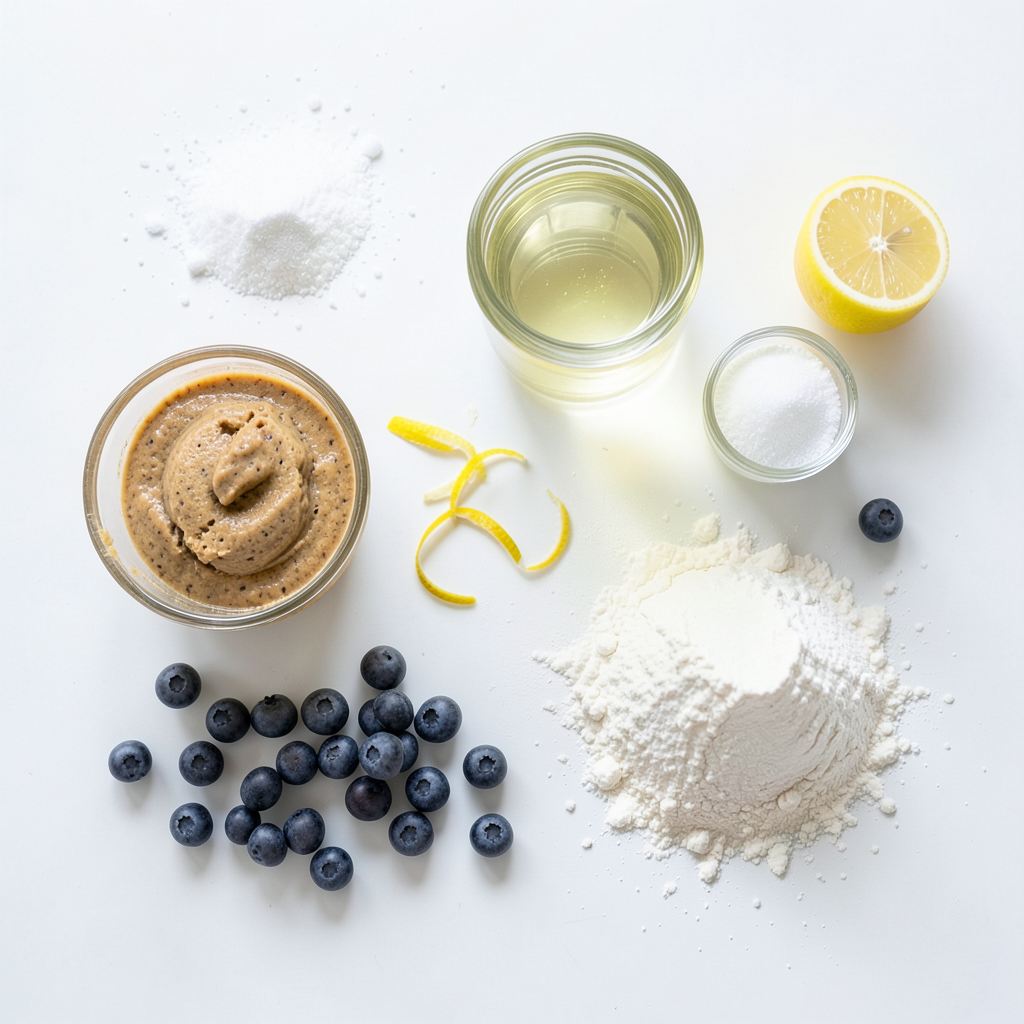
List of Ingredients
- 1 cup active sourdough starter
- 1 cup warm water (about 110°F or 43°C)
- 4 cups all-purpose flour
- 1 teaspoon sea salt
- 1 tablespoon sugar
- Zest of 1 large lemon
- 1 cup fresh blueberries (lightly crushed)
- 1 tablespoon lemon juice
- Extra flour for dusting
Measurement Details
Using the right measurements is very important for great bread. Each ingredient plays a role. Too much flour makes it dry. Too little water makes it dense. Use a measuring cup for liquids and a scale for flour when possible. Measuring correctly helps to create the perfect texture in your bread.
Ingredient Substitutions
You can swap some ingredients if needed. If you have a gluten allergy, use gluten-free flour. For a dairy-free option, serve with a vegan spread instead of butter. If you can’t find fresh blueberries, frozen ones work too. Just make sure to thaw them first. These swaps keep the recipe flexible for different diets.
Step-by-Step Instructions
Preparing the Dough
To start, grab a large mixing bowl.
1. Combine 1 cup of active sourdough starter with 1 cup of warm water. Use water that is about 110°F or 43°C. Stir until the starter dissolves fully.
2. Gradually add 4 cups of all-purpose flour, 1 teaspoon of sea salt, 1 tablespoon of sugar, and the zest of 1 large lemon. Mix with a wooden spoon or spatula until the dough looks shaggy.
3. Now, gently fold in 1 cup of lightly crushed blueberries and 1 tablespoon of lemon juice. Make sure the blueberries spread evenly throughout the dough.
Kneading the Dough
Kneading is key for great bread.
1. Keep the dough in the bowl. Use your hands to knead for about 5-7 minutes. You want the dough to become smooth and elastic.
2. If the dough feels sticky, sprinkle a little extra flour as you knead. This helps achieve the right texture.
Rising and Shaping
Now it’s time for the dough to rise.
1. Cover the bowl with a clean kitchen towel or plastic wrap. Let it rise at room temperature for 4-6 hours. You want it to double in size.
2. Once risen, turn the dough out onto a floured surface. To shape it into a round loaf, fold the edges into the center. Then flip it over to shape the top smooth.
3. Place the shaped dough on a parchment-lined baking sheet or in a floured proofing basket, seam side up. Let it proof for 2 more hours.
With these steps, you set yourself up for a delicious blueberry lemon sourdough bread. Happy baking!
Tips & Tricks
Perfecting the Rise
For the best rise, keep your dough in a warm spot. The ideal temperature is around 75°F to 80°F. A cozy kitchen or near a warm oven works well. Cover the bowl with a clean towel. This keeps moisture in and helps the dough rise.
Using a proofing basket gives your bread a nice shape. It supports the dough as it rises. If you use a baking sheet, make sure to line it with parchment paper. This will help with easy transfer to the oven.
Achieving the Perfect Crust
Creating steam in the oven is key for a crispy crust. You can do this by placing a pan of hot water at the bottom of the oven. This steam helps the bread rise while it bakes. If you want extra crispiness, spritz the dough with water before closing the oven door.
Cooling and Slicing
Letting the bread cool is very important. Cooling allows the bread to set. If you slice it too soon, the inside may be gummy. Aim for at least 30 minutes on a wire rack. This helps keep the crust crunchy and the inside soft. Enjoy your perfect slices of blueberry lemon sourdough!
Pro Tips
- Use Fresh Ingredients: Always opt for fresh blueberries and a vibrant lemon for the best flavor. The quality of your ingredients will greatly influence the final taste of the bread.
- Monitor Dough Consistency: If your dough feels too sticky, don’t hesitate to add a little extra flour. The right consistency is key to achieving a great texture in your finished bread.
- Steam for Crispiness: To create a crispy crust, introduce steam during baking by placing a pan of hot water in the oven. This will help develop a beautifully crusty exterior.
- Let it Cool: Be patient and allow the bread to cool on a wire rack for at least 30 minutes before slicing. This helps set the crumb and enhances the flavor.
Variations
Flavor Additions
You can add nuts or seeds to your Blueberry Lemon Sourdough Bread. Walnuts or sunflower seeds work well. They add a nice crunch and extra flavor. Just fold them in with the blueberries. This small change can make a big difference!
Alternative Fruits
Feel free to get creative with fruits. You can use blackberries or raspberries instead of blueberries. Citrus fruits like oranges or limes can also add a fresh twist. Each fruit brings its own taste and joy to the bread. Experiment and find your favorite mix!
Different Types of Flour
Changing the flour can change the bread's texture. You can try whole wheat flour for a nutty flavor. Gluten-free flour is also an option if you have dietary needs. Keep in mind, the water amount may need adjusting. Always check the dough’s consistency when you switch flours.
Storage Info
Short-term Storage
To keep your Blueberry Lemon Sourdough Bread fresh for a few days, store it in a paper bag. This helps the bread breathe and keeps the crust nice. Avoid using plastic, as it can make the bread soggy. Place the bread in a cool, dry area. If you have a bread box, it works well too.
Long-term Storage
For longer storage, freezing is a great option. First, slice the bread into pieces. Wrap each slice in plastic wrap or foil. Then, place the wrapped slices in a freezer bag. Remove as much air as possible before sealing. When you want to enjoy it, thaw at room temperature for a few hours. You can also toast the slices right from the freezer.
Reheating Tips
To reheat your bread and keep it soft, use the oven. Preheat your oven to 350°F (175°C). Place the bread slices on a baking sheet. Heat for about 10 minutes. This warms the bread and revives the crust. If you're in a hurry, you can use a toaster, but keep an eye on it!
FAQs
What is sourdough starter and how do I make it?
Sourdough starter is a mix of flour and water. It captures wild yeast from the air. This yeast helps bread rise and gives it a tangy flavor. To make your own starter, mix equal parts of flour and water. Stir this mix daily for about a week. You will see bubbles forming as the yeast grows. When it doubles in size, it’s ready to use.
Can I use frozen blueberries?
Yes, you can use frozen blueberries! They work well in this bread. Just thaw them first and drain any extra juice. This helps prevent the dough from getting too wet. Frozen blueberries may burst during mixing, adding nice color to your bread.
How can I tell when the bread is done baking?
To check if your bread is done, look for a deep golden color. Tap the bottom of the loaf; it should sound hollow. If not, give it a few more minutes in the oven. The crust should feel firm and crispy. Keep an eye on it as it bakes for the best result!
This article covered how to make delicious blueberry sourdough bread. We discussed essential ingredients, detailed measurements, and substitutions for dietary needs. You learned step-by-step instructions for preparing and shaping the dough. Plus, we shared tips on rising, crust perfection, and storage methods to keep your bread fresh.
Remember, baking bread is not just about following steps; it's about enjoying the process. Experiment with flavors and techniques. Happy baking!